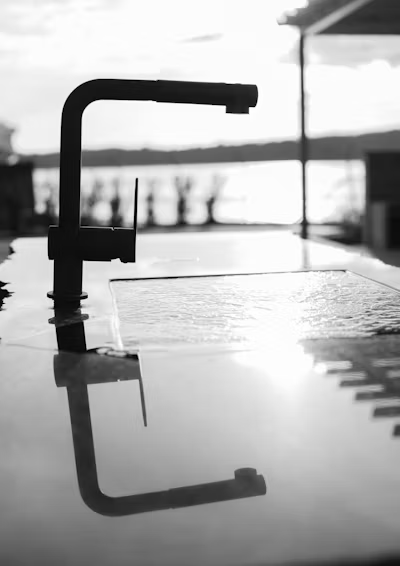
Complete Guide to Installing an Outdoor Sink with a Faucet | Tools, Setup & Maintenance Tips
Installing an outdoor sink with a faucet is one of the most practical upgrades for any backyard, patio, or garden space. Whether you want to rinse freshly picked vegetables, clean your hands after gardening, or make outdoor cooking more convenient, this simple addition can transform how you use your outdoor area.
In this guide, you’ll learn how to install an outdoor sink faucet step by step from choosing the right tools to setting up the plumbing and keeping it running smoothly for years. This process is beginner-friendly and can often be completed in a single afternoon.
Adding an outdoor sink provides unmatched convenience and cleanliness. Here are some of the top reasons homeowners are making the switch:
Better Hygiene: Keep dirt and mess outside instead of tracking it through your home.
Garden Convenience: Easily rinse produce, pots, and tools right where you work.
Outdoor Cooking: Simplify food prep for BBQs or patio dinners.
Eco-Friendly Option: Reuse water for gardening or connect it to a rainwater system.
Value Addition: Enhances your outdoor space and adds to your property’s resale value.
Tools & Materials You’ll Need
Before you begin, make sure you have the right tools and durable materials to ensure your outdoor sink lasts for years.
Tools
Drill and drill bits
Adjustable wrench
Measuring tape
Saw or hole cutter (for sink installation)
Pliers
Hacksaw (for cutting PVC pipes)
Materials
Outdoor sink basin (stainless steel recommended)
Faucet rated for outdoor use
PVC or flexible tubing
Water hose adapter
Sealant or plumber’s tape
Mounting screws or brackets
Concrete or paving base for stability
Step-by-Step Guide: How to Install an Outdoor Sink
Step 1: Pick the Perfect Spot
Choose a location near your garden hose or outdoor water line. Make sure the ground is flat, well-drained, and easily accessible from your patio or workspace.
Step 2: Build or Mount the Sink Frame
Assemble a stable frame using treated wood or metal legs.
Ensure it’s level and anchored to prevent wobbling.
Cut an opening on top to fit your sink basin securely.
Step 3: Connect the Faucet and Water Supply
Attach the faucet to the sink using plumber’s tape and fittings.
Connect your garden hose or outdoor tap to the faucet using an adapter.
Turn on the water and check for leaks before finalizing connections.
Step 4: Set Up Drainage
Basic Setup: Attach a PVC pipe to direct wastewater away from the area.
Eco-Friendly Option: Direct the drain water to a gravel pit or rain barrel.
Permanent Drain: Connect the pipe to your main outdoor drainage system.
Step 5: Final Touches
Seal around edges with waterproof silicone.
Install a countertop or storage shelves under the sink for added functionality.
Add a sink cover or tarp for protection during winter.
Maintenance Tips for Long-Lasting Performance
Proper maintenance keeps your outdoor sink with faucet working smoothly all year long. Here’s how to protect your setup:
1. Winterize the System
In cold weather, disconnect the hose and drain all remaining water. Frozen water can expand and damage your pipes, faucet, or sink fittings.
2. Check for Leaks Regularly
Inspect your connections every few weeks, especially after high water pressure or weather changes. Replace worn-out seals or hoses immediately.
3. Clean the Sink Frequently
Outdoor sinks can collect dirt, leaves, or grease. Use mild detergent and warm water to keep it clean and hygienic.
4. Upgrade When Needed
If you notice rust or corrosion, consider upgrading to a stainless-steel outdoor sink faucet for durability and better performance.
Key Takeaways
Installing an outdoor sink with a faucet is affordable and beginner-friendly.
Use quality, weather-resistant materials to ensure durability.
Proper drainage prevents waterlogging and damage.
Regular maintenance extends the life of your outdoor plumbing setup.
Common Questions About Outdoor Sink Installation
1. Can I Connect an Outdoor Sink Without a Plumber?
Yes! This guide uses a simple hose-and-adapter setup that doesn’t require any plumbing experience. However, if you want a permanent connection to your home’s water supply, hiring a professional is recommended.
2. What Type of Faucet Is Best for Outdoor Sinks?
Choose a weather-resistant brass or stainless-steel faucet designed for outdoor use. These materials resist rust and corrosion, ensuring long-term reliability.
3. Can I Use Hot Water in an Outdoor Sink?
Yes, if you have a hot water source outdoors or use a portable water heater attachment. Otherwise, your sink will function with cold water only.
Conclusion
With the right setup and tools, installing an outdoor sink with a faucet is an easy weekend project that greatly improves your home’s outdoor usability. From gardening to grilling, having running water outside makes daily tasks simpler, cleaner, and more enjoyable. Follow this guide, and you’ll have a durable, functional outdoor sink ready to use all year round.

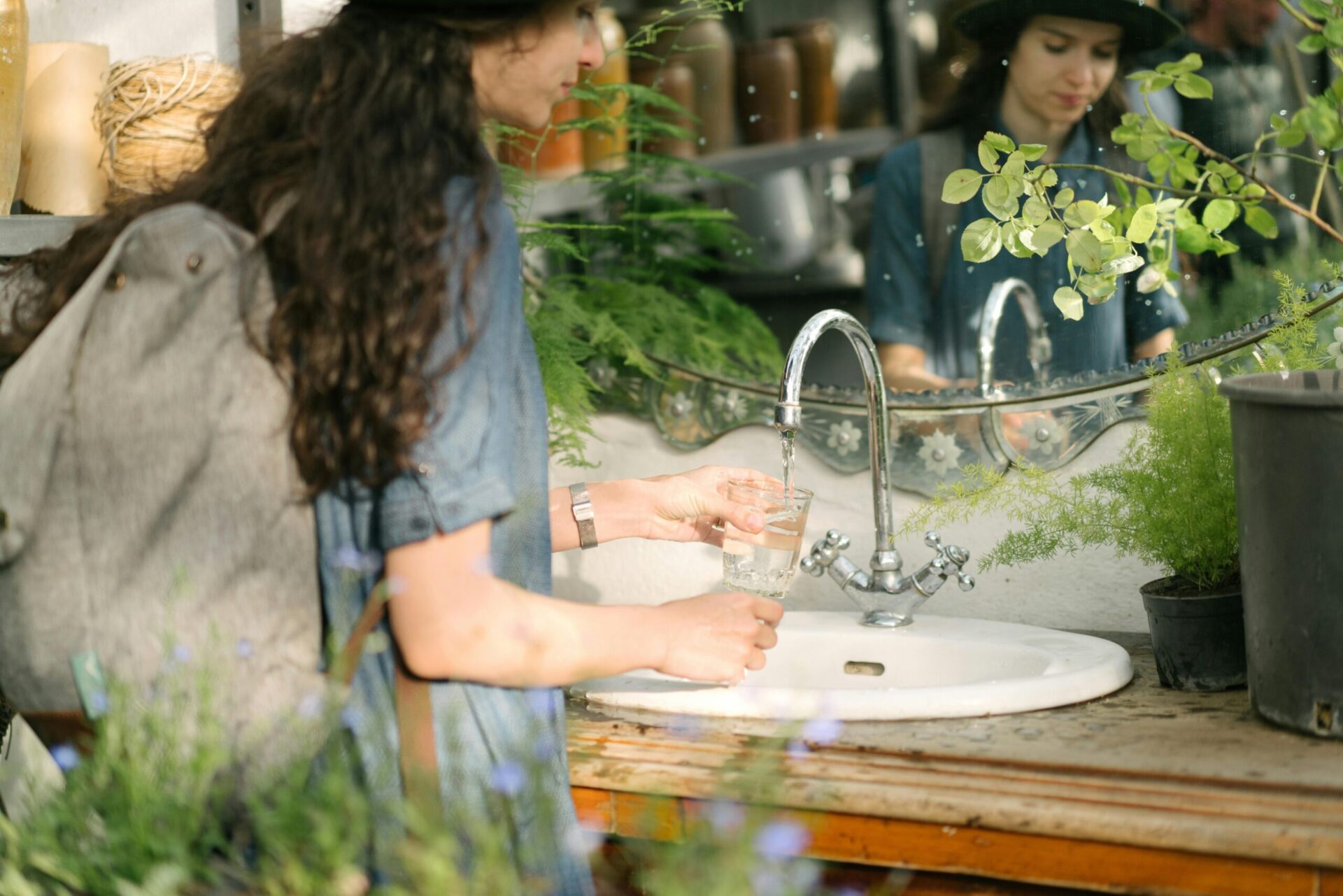 Visit For How to Connect an Outdoor Faucet to a Sink in 4 Easy Steps